Logo

Distributed by:

Eagle Bay, Inc.
PO Box 1284
Okeechobee, FL 34973

For availabilty and pricing, please call:

I. E. "Jim" Byrd

Dan Byrd

863-634-1005

863-634-1004


info@Revinu.com

The FAQ's
(Frequently Asked Questions)

What are biosolids?

How are biosolids different from sewerage sludge?

How is Revinu produced?

How is Revinu used?

So, Revinu is a fertilizer?

Are there any restrictions to using Revinu?

What are “recommended” levels of application?

Will I need additional fertilization, or will Revinu replace that need?

Is it safe?

Typical Analysis

Sources and Resources


What are biosolids?

“They are the nutrient-rich organic materials resulting from the treatment of domestic sewage in a treatment facility. When treated and processed, these residuals can be recycled and applied as fertilizer to improve and maintain productive soils and stimulate plant growth.” * (Return to Top of Page)

How are biosolids different from sewerage sludge?

Biosolids differ from sewerage sludge in several key areas. Biosolids, though derived from sludge, have undergone additional treatment to ensure reduction in numbers of potential pathogenic microorganisms, odor, and to decrease disease vector attraction. The Environmental Protection Agency (EPA) has established 2 classes of biosolids, Class A and Class B.

Class A biosolids have no detectable levels of pathogens and therefore qualify for land and agronomic applications with no site restrictions or restrictions in public access. Class B biosolids have been treated to reduce pathogens to levels considered “below probable risk.” Class B biosolids therefore do have restrictions to their application regarding which sites, crops, and proximity to water supplies as well as additional restrictions regarding public access to areas where these materials have been applied or are stored.

Revinu has achieved the highest level classification and is rated as a Class AA EQ biosolid. This additional ranking ensures not only the requirements of a Class A biosolid, but the additional requirements outlined by the EPA for biosolid of “Exceptional Quality.” These additional standards pertain to the reduction of heavy metals, other potential contaminants, and odor reduction. (Return to Top of Page)


How is Revinu produced?

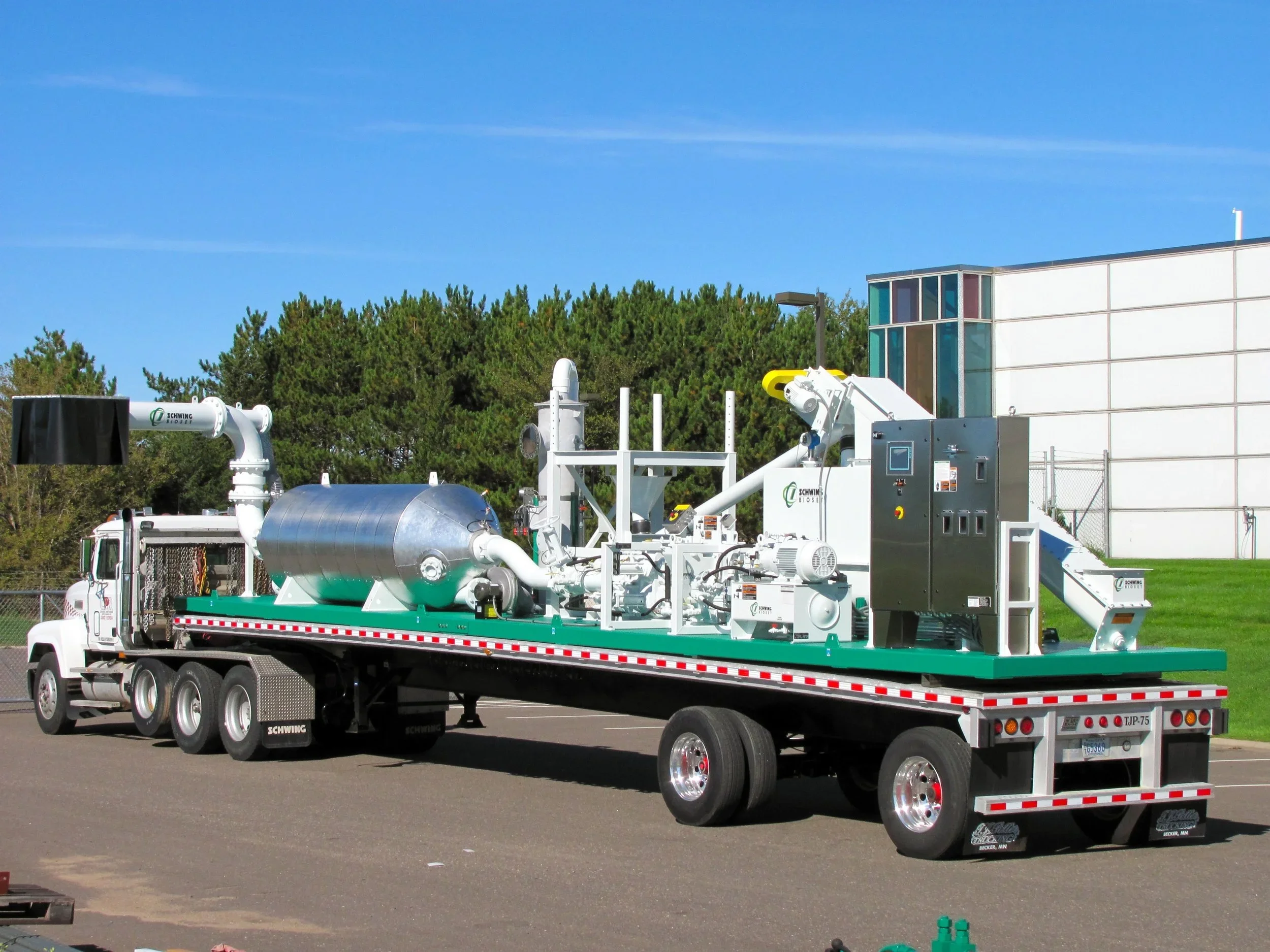
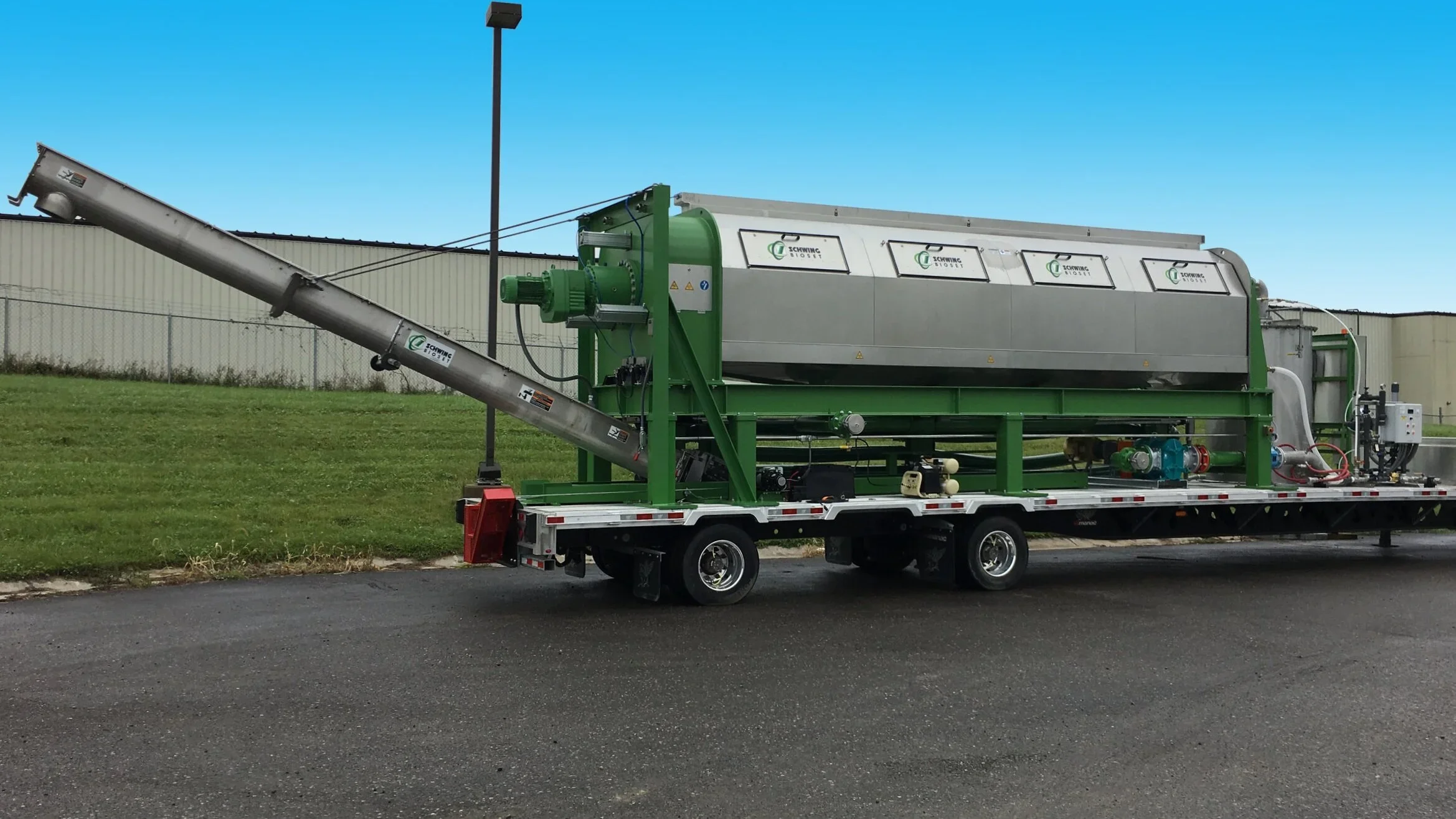
Revinu is produced by the milling and screening to uniform size the dried and partially composted material produced as a result of the patented Bioset processing of waste water residuals derived from municipal waste water reclamation facilities. Specifically, residual solid waste from water treatment facilities is combined with Calcium Carbonate (the principal ingredient of Lime, Limestone, Chalk, and antacids) under extreme heat and pressure. This process raises the pH to 12 or above, pasteurizes the material, and further dries it. Additional drying, along with milling and screening, are then required before the reclaimed solid material can be called RevinuTM. (Return to Top of Page)

How is Revinu used?

RevinuTM is used in Agriculture, Agronomy, Forestry, and Horticulture to raise soil pH, promote more robust plant growth, improve harvest yields, and reduce time to harvest. It can also be used in land reclamation projects such as closed or abandoned mining sites to rebuild lost topsoil. (Return to Top of Page)

So, Revinu is a fertilizer?

Yes, and no. Both Florida, and the EPA, have characterized Revinu as a “Lime Enhanced Soil Amendment.” Though it typically delivers Nitrogen, Phosphorus, and Potassium at levels equal to a traditional 2-2-1 N-P-K fertilizer, its higher pH (11.5-12.3 as applied in finished product) delivers a “liming effect” while its high organic matter content (35-55%) returns biomater to organic matter depleted soils thus improving their organic matrix and arability. (Return to Top of Page)

Are there any restrictions to using Revinu?

As a Class AA material, there are no restrictions to the use of RevinuTM at recommended rates of application. Revinu can be used safely on citrus, vegetable crops, pastures, golf courses, roadway embankments, parks, playgrounds, gardens, and lawns. Any place where pH adjustment, replenishment of organic matter, or improvement of soil arability is indicated are appropriate places to utilize Revinu. (Return to Top of Page)

What are “recommended” levels of application?

Recommended levels of application will vary depending on the specific need being addressed. Using the principle of Nutrient Management Planning, or NMP, the application of any fertilizer or soil amending material should be tailored to meet the specific needs of the desired crop. Information obtained from soil analysis, assessment of terrain, rain fall and irrigation practices combined with knowledge of a particular crop's nutrient requirements would all be considered when determining an application rate for a particular enterprise. These will often produce application rates between ½ to 2 tons per acre. Your needs are specific, your application rate will be too. (Return to Top of Page)

Will I need additional fertilization, or will Revinu replace that need?

You may need additional fertilization depending on your specific needs. There is no such thing as “miracle material” that when used will answer all of your crops needs to thrive, and Revinu doesn't claim be one. However, use of RevinuTM, when used as part of a comprehensive fertilization and soil fortification program, will improve the arability of your soil reducing your dependency on traditional fertilizers while improving yields.

The organic matrix of Revinu along with its alkaline pH help bind those elements which typically leach out of predominantly acidic sandy Southern soils giving them a “timed release” effect to the plant root. Water soluble nutrients like Potassium and Phosphorus, and trace elements such as Magnesium, Manganese, and Selenium (all vital for plant health) all exhibit an increased retention rate in alkaline organic matter rich soils. (Return to Top of Page)

Is it safe?

Yes! RevinuTM is approved by the EPA, Florida Department of Environmental Protection (FDEP), the USDA, and TCEQ. And, continues to demonstrate compliance with those standards as required by those agencies listed above. In addition, RevinuTM is insured for product liability. (Return to Top of Page)


*U.S. Environmental Protection Agency, “Biosolids – Frequently Asked Questions” http://www.epa.gov/owm/mtb/biosolids/genqa.htm


Typical Analysis

Revinu Typical Analysis and FDEP Metals Ceilings


Sources and Resources:

“A Plain English Guide to the EPA Part 503 Biosolids Rule” U.S. Environmental Protection Agency, Office of Wastewater Management, Washington, DC, publication EPA/842/R-93/003, September 1994


“Biosolids – Frequently Asked Questions” U.S. Environmental Protection Agency, http://www.epa.gov/owm/mtb/biosolids/genqa.htm


“EPA Regulations” http://www.sbs.utexas.edu/hornsby/Interns/SarahB/epa.htm